Managing money effectively is not about earning more—it’s about making smarter decisions with what you already have. Many financial setbacks happen not because of bad luck, but due to avoidable mistakes. Understanding these pitfalls early can help you build long-term stability and confidence.
This guide outlines practical ways to avoid common financial mistakes and make better choices with your money.
Understanding Financial Discipline
Financial discipline is about consistency, not perfection. It involves:
- Tracking income and expenses
- Making informed spending decisions
- Planning for both short-term and long-term goals
Without discipline, even high income can lead to financial stress.
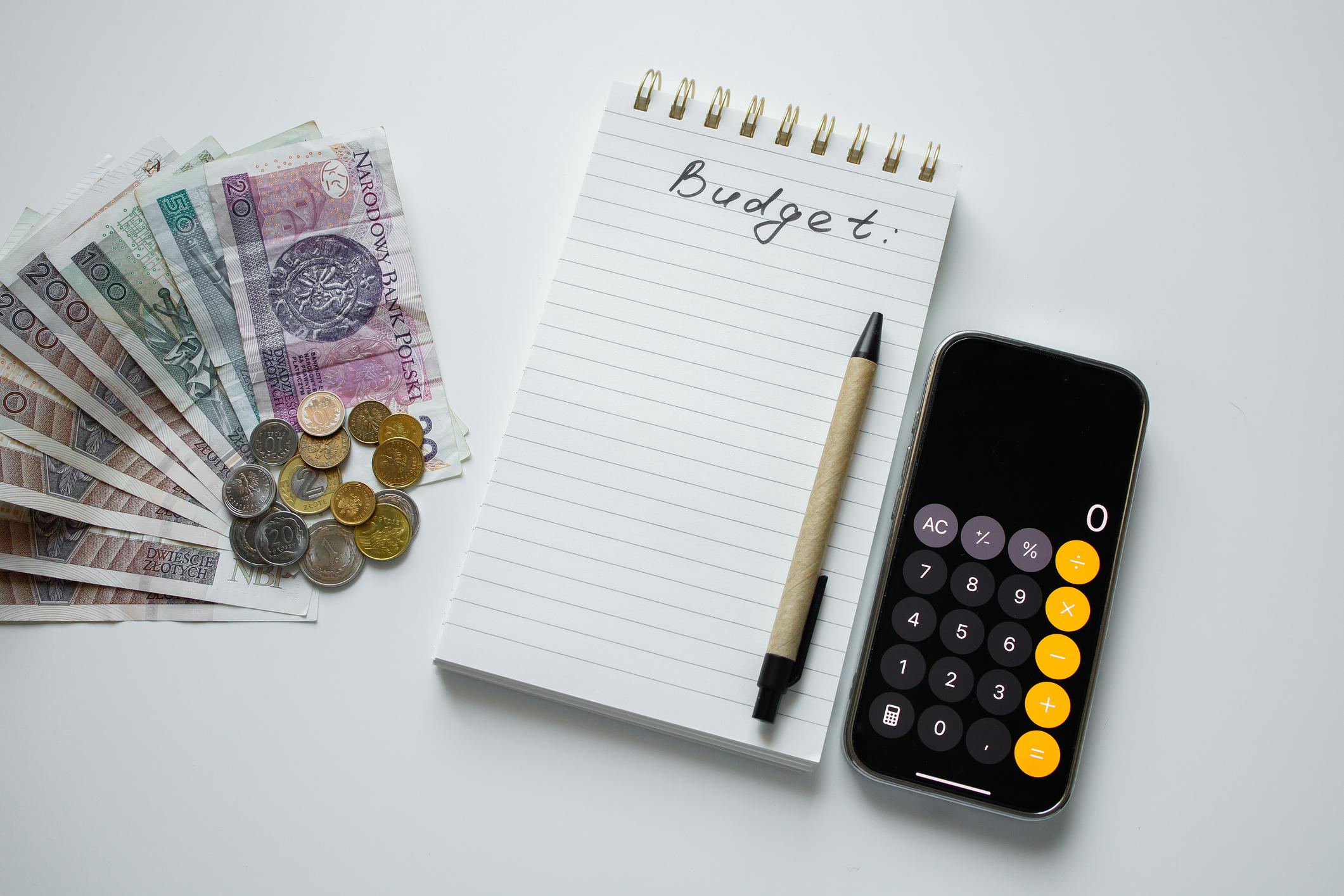
1. Not Having a Budget
A lack of budgeting is one of the most common mistakes.
- Leads to overspending
- Makes it hard to track where money goes
- Prevents saving effectively
Solution:
Create a simple monthly budget that includes:
- Fixed expenses (rent, bills)
- Variable expenses (food, travel)
- Savings and investments
2. Ignoring Emergency Savings
Unexpected expenses can arise at any time.
- Medical emergencies
- Job loss
- Urgent repairs
Best practice:
Build an emergency fund covering 3–6 months of expenses.
3. Living Beyond Your Means
Spending more than you earn creates long-term problems.
- Reliance on credit cards
- Accumulating debt
- Financial stress
Tip:
Adopt a lifestyle that fits your income, not your desires.
4. Misusing Credit Cards
Credit cards are useful but can be dangerous if mismanaged.
- High interest rates on unpaid balances
- Encourages impulsive spending
- Late payments damage credit score
Smart usage:
- Pay the full balance every month
- Use only for planned expenses
- Avoid minimum payments as a habit
5. Delaying Investments
Waiting too long to invest reduces potential growth.
- Missing out on compounding benefits
- Losing time advantage
Start early:
Even small investments can grow significantly over time.
6. Not Setting Financial Goals
Without clear goals, money management lacks direction.
- No motivation to save
- Difficulty prioritizing expenses
Set goals like:
- Buying a home
- Building retirement savings
- Funding education
7. Ignoring Insurance
Insurance is often overlooked until it’s too late.
- Health emergencies can drain savings
- Accidents can create financial burdens
Essential coverage:
- Health insurance
- Life insurance (if you have dependents)
8. Lack of Financial Knowledge
Poor understanding leads to poor decisions.
- Falling for scams
- Choosing wrong investment options
- Mismanaging debt
Improve knowledge by:
- Reading financial resources
- Learning basic investing concepts
- Staying updated with market trends
9. Emotional Spending
Spending driven by emotions can disrupt finances.
- Shopping during stress or boredom
- Buying unnecessary items
Control strategy:
- Wait 24 hours before major purchases
- Focus on needs over wants
10. Not Reviewing Finances Regularly
Financial plans need adjustments over time.
- Income changes
- New expenses arise
- Goals evolve
Recommendation:
Review your finances monthly to stay on track.
Simple Habits to Stay Financially Safe
- Save before you spend
- Track every expense
- Avoid unnecessary debt
- Invest consistently
- Plan for the future
Small habits practiced daily lead to strong financial health.
Frequently Asked Questions (FAQs)
1. What is the biggest financial mistake people make?
Not budgeting and spending without tracking is one of the most common mistakes.
2. How much should I save each month?
Ideally, save at least 20% of your income, but any consistent amount is beneficial.
3. Is it better to save or invest first?
Start with emergency savings, then focus on investing for growth.
4. How can I avoid impulse spending?
Create a shopping list, set limits, and delay purchases to evaluate necessity.
5. Do I need financial advice from professionals?
It can help, especially for complex investments, but basic financial knowledge is essential for everyone.
6. How often should I review my financial plan?
At least once a month, or whenever there’s a major life or income change.
7. Can small financial mistakes really have a big impact?
Yes, repeated small mistakes can accumulate and lead to significant financial problems over time.
Avoiding financial mistakes isn’t about being perfect—it’s about being aware, consistent, and proactive. With the right habits and mindset, you can build a secure and stress-free financial future.