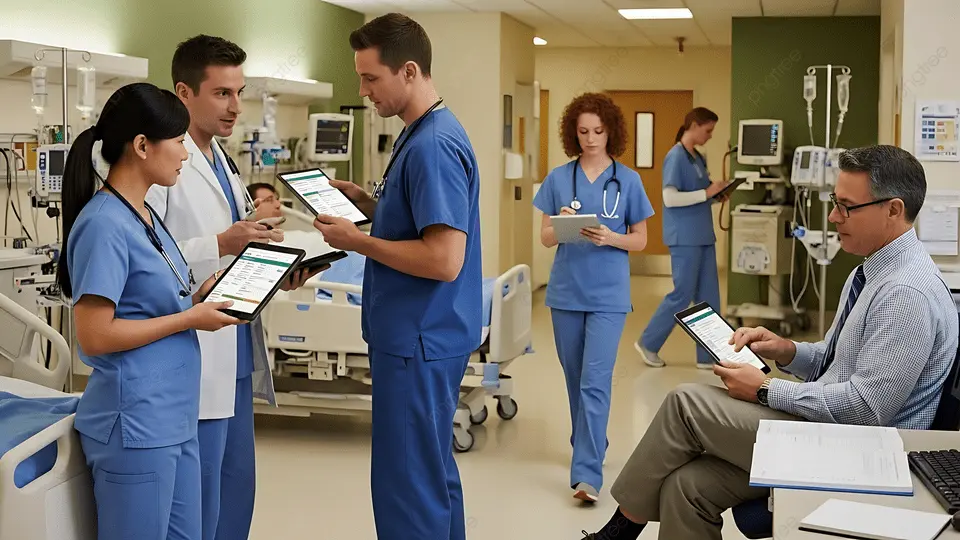
Healthcare is undergoing a major transformation driven by rapid technological advancements. From improved diagnostics to personalized treatments, technology is reshaping how care is delivered, managed, and experienced. These innovations are not only improving patient outcomes but also making healthcare more accessible, efficient, and data-driven.
This article explores the most impactful tech innovations in healthcare and how they are shaping the future of medicine.
The Role of Technology in Modern Healthcare
Technology is enhancing healthcare in several key ways:
- Improving diagnosis accuracy
- Reducing treatment time
- Enhancing patient monitoring
- Expanding access to medical services
The result is a more proactive and patient-centered healthcare system.
1. Artificial Intelligence in Healthcare
Artificial Intelligence (AI) is revolutionizing medical processes.
- Assists in early disease detection
- Analyzes medical data quickly and accurately
- Supports decision-making for doctors
Example uses:
- Identifying patterns in medical imaging
- Predicting disease risks
Impact: Faster and more accurate diagnoses.
2. Telemedicine and Virtual Care
Telemedicine has made healthcare more accessible.
- Remote consultations via video calls
- Reduced need for hospital visits
- Access to specialists from anywhere
Benefit: Saves time and improves convenience for patients.
3. Wearable Health Technology
Wearable devices allow continuous health monitoring.
- Track heart rate, sleep, and activity
- Detect irregularities in real time
- Encourage healthy habits
Popular devices include: Smartwatches and fitness trackers.
4. Electronic Health Records (EHR)
Digital records are replacing traditional paperwork.
- Centralized patient data
- Easy access for healthcare providers
- Improved coordination between departments
Result: Better and faster patient care.
5. Robotics in Surgery
Robotic systems are enhancing surgical precision.
- Minimally invasive procedures
- Reduced recovery time
- Higher accuracy during operations
Advantage: Lower risk of complications.
6. 3D Printing in Medicine
3D printing is enabling customized medical solutions.
- Prosthetics tailored to individuals
- Surgical models for planning procedures
- Bioprinting research for tissues and organs
Impact: Personalized and cost-effective treatments.
7. Internet of Medical Things (IoMT)
Connected medical devices are improving healthcare delivery.
- Real-time patient monitoring
- Remote data sharing with doctors
- Smart hospital systems
Outcome: More efficient and responsive care.
8. Big Data and Predictive Analytics
Healthcare providers use data to improve outcomes.
- Analyze patient trends
- Predict disease outbreaks
- Optimize treatment plans
Benefit: More informed and proactive decision-making.
9. Mobile Health (mHealth) Apps
Smartphone apps are supporting healthcare management.
- Medication reminders
- Fitness and diet tracking
- Access to medical information
Advantage: Encourages self-care and awareness.
10. Personalized Medicine
Treatment is becoming more tailored to individuals.
- Based on genetic and lifestyle factors
- Customized therapies
- Improved treatment effectiveness
Goal: Deliver the right treatment to the right patient.
Benefits of Healthcare Technology
- Faster diagnosis and treatment
- Improved patient outcomes
- Increased accessibility
- Reduced healthcare costs
- Better patient engagement
Challenges and Considerations
Despite the benefits, challenges remain:
- Data privacy and security concerns
- High implementation costs
- Need for skilled professionals
- Technology accessibility in rural areas
Addressing these challenges is essential for widespread adoption.
How Patients Can Benefit
- Use wearable devices for health tracking
- Take advantage of telemedicine services
- Stay informed through health apps
- Follow digital health recommendations
Frequently Asked Questions (FAQs)
1. What is the most important innovation in healthcare technology?
Artificial Intelligence is one of the most impactful innovations due to its role in diagnostics and data analysis.
2. Is telemedicine as effective as in-person visits?
For many conditions, telemedicine is effective, though some cases still require physical examination.
3. Are wearable health devices accurate?
Most modern devices are reliable for basic monitoring, though they should not replace medical diagnosis.
4. How does AI help doctors?
AI assists in analyzing data, detecting patterns, and supporting clinical decisions.
5. Is patient data safe in digital systems?
With proper security measures, data can be सुरक्षित, but privacy remains a key concern.
6. What is personalized medicine?
It involves tailoring treatments based on individual genetic and lifestyle factors.
7. Will technology replace doctors in the future?
No, technology supports doctors but cannot replace human expertise and judgment.