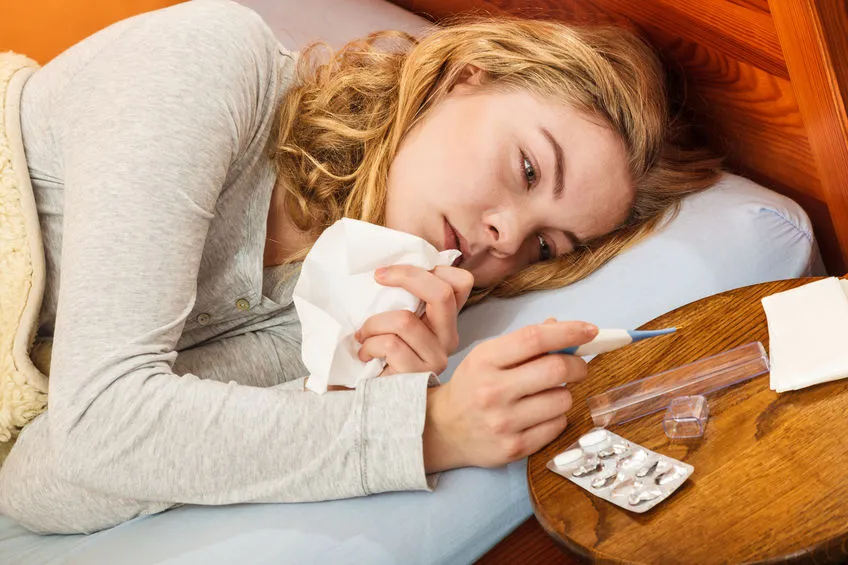
There’s an unfortunate irony of being too sick to travel. You’re in a condition where medical advice is most needed yet one where getting up, getting dressed, and driving to a clinic seems impossible. You’re light-headed from fever, nauseous from the stomach bug, and achy from the flu, and yet the best response to feeling awful is “come to the clinic.” That’s exactly what someone who can’t get out of bed cannot do.
But it puts people in a precarious position. Should they just tough it out and try to make it to an appointment in the hopes of not getting sicker along the way? Is it better just to avoid medical attention and hope whatever’s happening resolves itself? Will they overreact and call an ambulance for something that isn’t an emergency? None of these make sense but they’re all default responses when conventional healthcare assumes everyone can always get to a location at a specific time.
When It’s Not Possible to Get There
A mild cold or sprained ankle doesn’t prevent someone from getting in the car and driving to the clinic and sitting in the waiting room. However, true illness does. When running a high fever, thinking straight becomes difficult and coordination suffers. When battling severe nausea, any car trip risks disaster. When dizzy, walking down the street for a bus is dangerous. When so fatigued that getting dressed is an undertaking, exertion only makes things worse. The sicker someone gets, it seems, the harder it is to receive the medical attention needed in that state.
This leads to delayed treatment. Someone with severe flu may not be able to move for three days and by that time they feel better but not great, or by then they’ve already developed complications. Someone with severe gastro might hold off treatment for fear of being in a car for even five minutes. But with delayed treatment comes deterioration, longer recovery times, and sometimes minor complications that could have been prevented if people had access when they were at their sickest.
This also creates exposure problems. Someone shouldn’t be in waiting rooms infecting all other patients with whatever they have. They shouldn’t be exposed to different infections either when their immune system is already compromised from an existing bug. The idea that sick people come into the clinic ignored exposure concerns before transmission was properly understood.
The Home Visit That Vanished (Mostly)
There was once a time when doctors made house calls. Being too sick to travel was not an impediment to receiving medical assistance; it meant the doctor would come to you. That healthcare model dissipated years ago as medicine became more centralized and efficient. While this model was beneficial for many things, it created this issue for those who are too sick to travel.
There are still home doctor services that fill this gap for some people, but they are limited based on geography, they are expensive compared to regular appointments, and they have significant wait times ranging from hours to days depending upon demand. They work well when available but they aren’t universally accessible at a price point that everyone who is too sick to travel can afford.
For those who are seriously ill and who cannot travel, the emergency department becomes the option. However, emergency departments are not equipped or designed for routine illness management. They’re there for emergencies. Someone who has severe flu-like symptoms may need some guidance but they do not need emergency intervention. When non-emergencies flood emergency departments, it creates problems for actual emergencies due to longer wait times, increased costs, and exposure to seriously ill patients.
What Works Instead
Telehealth works for this specific purpose. When hands-on evaluation is not required for diagnosis or treatment, remote assessment does not require sick people to leave the comfort of their home. It’s much easier (and sometimes preferable) to have a medical consultation when in bed without needing to get dressed or travel anywhere.
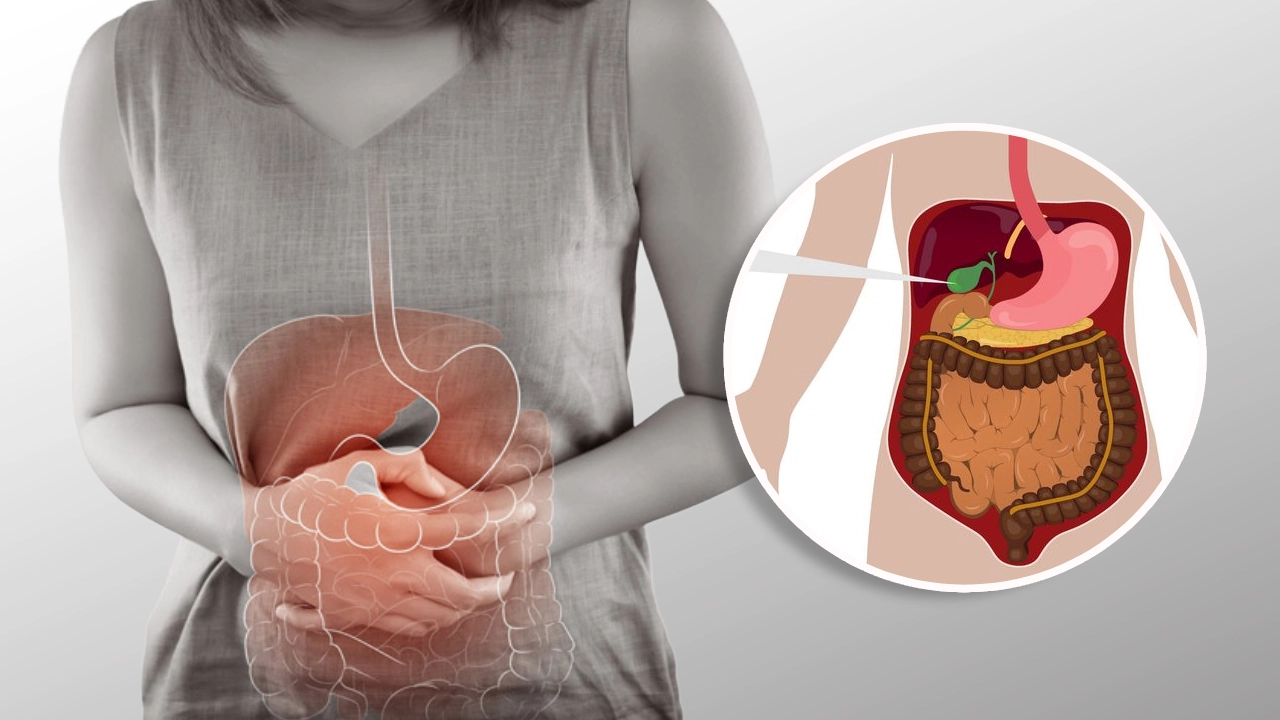
Many common illnesses do not require physical examination: respiratory infections, gastrointestinal issues, urinary tract infections, headaches, fever management. These conditions can often be assessed through conversation about symptoms alone. A doctor can assess severity, give treatment advice, provide prescriptions if needed, or determine if in-person evaluation is warranted. Services like Holistica Health allow patients access to medical consultation from within their homes when traveling isn’t feasible, especially when acutely ill enough that leaving home would risk making the condition worse.
Prescriptions play an important role too. If someone has a bacterial infection they need antibiotics, but there’s no reason why they should need to drag themselves into a doctor’s office when they already feel terrible. Health professionals can send prescriptions based on a virtual consultation just as easily as they would from an in-person meeting, ensuring that treatment begins sooner without requiring the patient to go anywhere except their local pharmacy once they feel slightly better.
Mental Health Is Not Discussed Enough
It’s not just physical illness that prevents people from traveling. Mental health crises, severe anxiety, depressive episodes all make getting help feel impossible even when medical assistance is desperately needed. The energy it takes to get dressed, travel, and interact in public can exceed what someone experiencing a crisis has available.
Telehealth removes these barriers. Speaking with a doctor from the comfort of home in comfortable clothes without worrying about public interaction gives patients access when mental health support is needed most. This often means getting help during crises rather than waiting until someone feels capable enough for in-person intervention, which may not happen until the worst has passed.
When In-Person Support Is Necessary
Telehealth will not work for everything and good telehealth services make this clear. Severe symptoms, chest pain, difficulty breathing, severe injuries, those need immediate care regardless of convenience.
However, assessment can occur through telehealth. Symptoms can be evaluated via virtual consultation to determine who should go where for what kind of care versus what someone can manage at home.
Follow-up care works particularly well via telehealth. Someone recovering from illness needs monitoring and may need prescription adjustments without requiring multiple appointments if they feel better but not quite 100% yet.
The Telehealth Practicalities
Having telehealth options available before getting sick makes accessing them easier when illness hits. Setting up accounts, validating Medicare details, and understanding how services work takes effort that’s harder when feeling terrible. Doing this proactively means options can be immediately utilized when necessary.
Most telehealth services help patients understand what symptoms or conditions need in-person care versus what can be assessed remotely, so thinking through this ahead of time prevents difficult decisions while feeling awful.
Costs and access vary by provider. Some bulk bill, others charge gap fees. Some are available immediately, some take several hours depending upon demand. Knowing these details ahead of time prevents surprises when care is desperately needed.
The Bottom Line
Being too sick to travel should not mean going without care. Medical attention should be accessible for patients who are extremely unwell without requiring travel. Telehealth provides solutions for treatment and consultation so ill people can stay where they’re comfortable and where they probably should be. It’s not appropriate for every medical situation but for illnesses that can be assessed remotely, it solves the specific problem of needing treatment while being too sick for conventional channels. It’s better healthcare that meets people where they actually are without requiring them to be somewhere they can’t manage being.