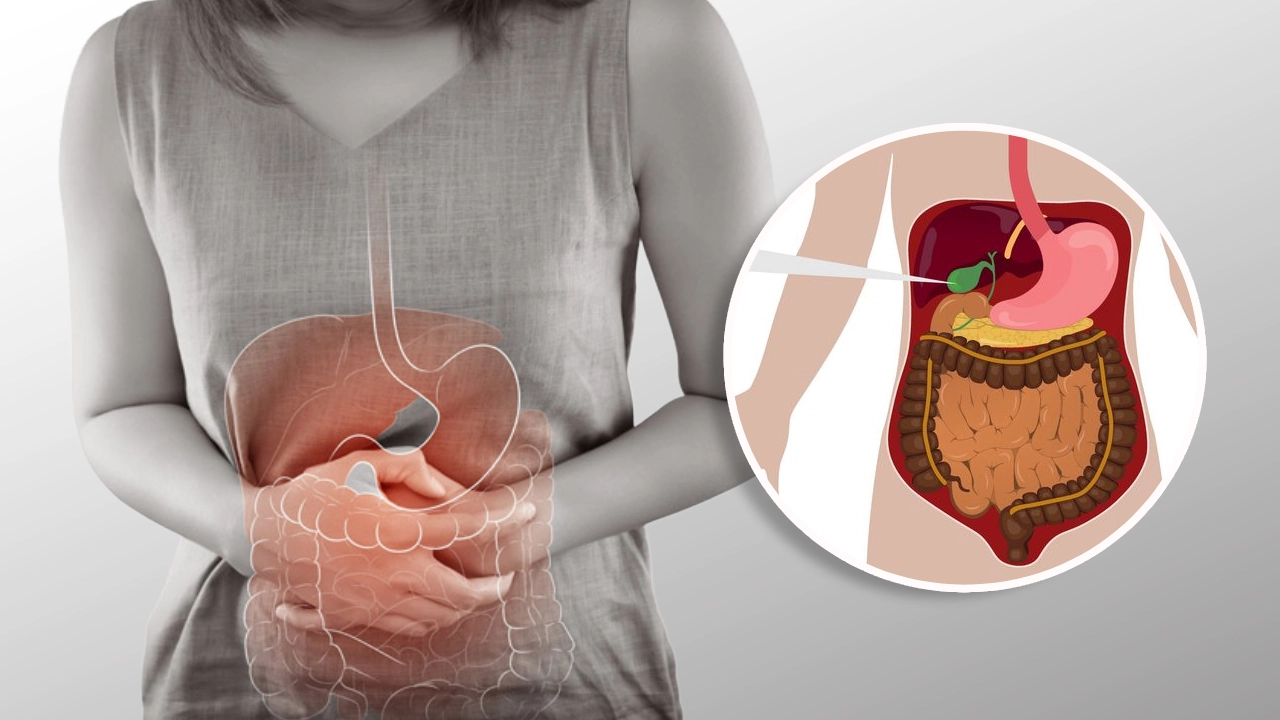
Gallstones are small, hard deposits that form in the gallbladder, an organ located beneath the liver. These deposits can range in size from a grain of sand to a golf ball. Many people with gallstones experience no symptoms. However, when a gallstone blocks a bile duct, it can cause sudden and intense pain, known as a gallbladder attack. This discomfort often occurs in the upper right abdomen. Understanding the causes and symptoms is the first step towards managing this common health issue.
The formation of gallstones is often linked to an imbalance in the substances that make up bile, such as cholesterol and bilirubin. Factors that increase your risk include a family history of gallstones, being overweight, and a diet high in fat and cholesterol. In Thailand, dietary habits, which can include rich and fried foods, may contribute to their prevalence. If symptoms like severe abdominal pain, nausea, or jaundice arise, a doctor might recommend diagnostic tests. These can include an ultrasound or a specialised X-ray procedure known as a Cholecystoscopy (known as ส่องกล้องท่อน้ำดี in Thai) to get a clear view of the gallbladder.
Diagnosing gallstones accurately is essential for determining the appropriate course of action. An ultrasound scan is the most common and effective method used to detect them. This non-invasive test uses sound waves to create images of your internal organs. In some cases, other imaging tests may be required to assess the condition of your bile ducts or check for complications. Based on the diagnosis, your doctor will discuss the available treatment options with you.
For individuals who experience recurrent symptoms, treatment is often recommended. The most common treatment for symptomatic gallstones is surgery to remove the gallbladder, an operation called a cholecystectomy. This procedure can be performed using a minimally invasive technique (laparoscopic cholecystectomy), which involves several small incisions. This approach usually results in a shorter hospital stay and a quicker recovery compared to traditional open surgery. Life without a gallbladder is perfectly normal, as bile will flow directly from the liver into the small intestine.
If surgery is not a suitable option, there are non-surgical treatments available, although they are used less frequently. These can include medications that help dissolve cholesterol-based gallstones. However, this process can take many months or even years and is only effective for certain types of stones. It is also possible for gallstones to form again after this treatment concludes.
Preventing gallstones involves adopting a healthy lifestyle. Maintaining a healthy weight through a balanced diet and regular exercise is beneficial. A diet rich in fibre from fruits, vegetables, and whole grains, combined with healthy fats, can support gallbladder health. Limiting the intake of fatty, processed foods is also a positive step. If you have concerns about gallstones, consulting a healthcare professional for personalised advice is always the best course of action.