A car that looks like it just rolled out of a showroom isn’t the result of occasional washing—it’s the outcome of consistent detailing, proper techniques, and attention to small details. Whether you’re a car enthusiast or simply want your vehicle to stand out, mastering detailing can dramatically improve both appearance and longevity.
What Makes a “Showroom Finish”?
A showroom finish is defined by:
- Deep, mirror-like paint shine
- Spotless interior with no odors or stains
- Clean wheels, tires, and trims
- No visible swirl marks or scratches
Achieving this requires more than a quick wash—it’s about layering multiple detailing steps correctly.
Step-by-Step Exterior Detailing Secrets
1. Pre-Wash: The Foundation of Safe Cleaning
Before touching your car with a sponge, remove loose dirt.
- Use a foam cannon or pre-wash spray
- Let it sit to loosen grime
- Rinse thoroughly
Why it matters: Reduces the risk of scratching paint during washing.
2. Two-Bucket Wash Method
This is a professional-level technique.
- One bucket for clean soapy water
- One bucket for rinsing the mitt
- Use a microfiber wash mitt
Pro tip: Always wash from top to bottom to avoid spreading dirt.
3. Clay Bar Treatment
Even after washing, contaminants stick to paint.
- Removes embedded dirt, tar, and industrial fallout
- Leaves the surface ultra-smooth
Result: Paint becomes ready for polishing and waxing.
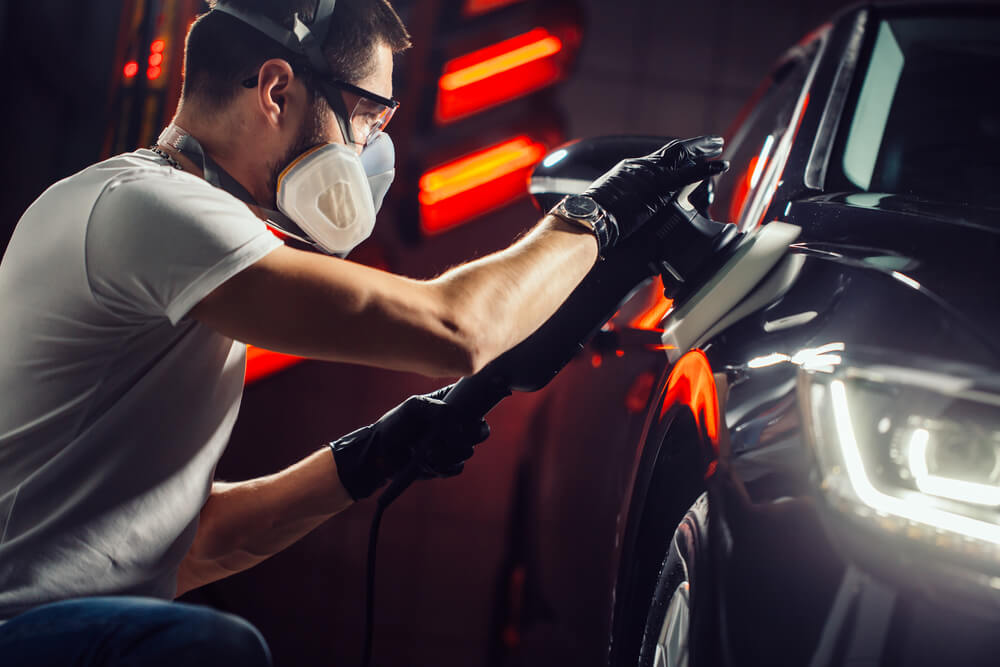
4. Paint Correction (Polishing)
This is where real transformation happens.
- Removes swirl marks, light scratches, and oxidation
- Use a dual-action polisher for best results
Important: Choose the correct polish compound based on paint condition.
5. Waxing or Sealant Application
Protects and enhances shine.
- Carnauba wax gives a warm, deep glow
- Synthetic sealants offer longer protection
Bonus: Adds a hydrophobic layer that repels water and dirt.
Interior Detailing Secrets
6. Deep Vacuuming and Dust Removal
Start with a thorough clean.
- Use a vacuum with narrow attachments
- Clean under seats and tight corners
Detailing trick: Use a soft brush to loosen hidden dust.
7. Upholstery and Carpet Cleaning
- Fabric seats: Use foam cleaners
- Leather seats: Use dedicated conditioners
Goal: Remove stains while preserving material quality.
8. Dashboard and Trim Care
- Use non-greasy cleaners
- Avoid overly shiny products
Why: A natural matte finish looks more premium and avoids glare.
9. Odor Elimination
A showroom car smells fresh—not artificial.
- Use odor neutralizers instead of strong fragrances
- Clean AC vents and cabin filters
Wheels, Tires, and Glass Perfection
10. Wheel and Tire Detailing
- Use separate brushes for wheels
- Apply tire dressing for a rich black finish
Tip: Clean wheels before washing the body to avoid splashing dirt.
11. Crystal-Clear Glass
- Use ammonia-free glass cleaners
- Wipe with microfiber towels
Secret: Clean in two directions (vertical + horizontal) to avoid streaks.
Small Details That Make a Big Difference
These finishing touches separate a clean car from a showroom-level finish:
- Clean door jambs and hinges
- Polish exhaust tips
- Restore faded plastic trims
- Align floor mats properly
- Remove water spots immediately
Common Mistakes to Avoid
Even small errors can ruin your detailing results:
- Using dirty cloths or sponges
- Washing in direct sunlight
- Skipping the drying step
- Applying too much product
- Ignoring interior detailing
How Often Should You Detail Your Car?
- Basic wash: Weekly
- Full detailing: Every 3–6 months
- Waxing/sealant: Every 2–3 months
Consistency is the real secret behind a lasting showroom shine.
Frequently Asked Questions (FAQs)
1. Can I detail my car at home without professional tools?
Yes, with the right products and techniques, you can achieve excellent results at home. However, machines like polishers improve efficiency.
2. Is waxing enough for paint protection?
Wax helps, but sealants or ceramic coatings offer longer-lasting protection.
3. How long does a full detailing session take?
It can take anywhere from 3 to 8 hours depending on the car’s condition and level of detailing.
4. What is the difference between polishing and waxing?
Polishing removes imperfections, while waxing protects the paint and enhances shine.
5. Are microfiber towels really necessary?
Yes, they are gentle on paint and reduce the risk of scratches compared to regular cloths.
6. Should I detail a new car?
Absolutely. Even new cars can have minor paint imperfections and benefit from protection.
7. What is the best time of day to wash and detail a car?
Early morning or late evening is ideal to avoid direct sunlight and water spots.
Achieving a showroom finish isn’t about expensive products alone—it’s about precision, patience, and consistency. When done right, detailing not only enhances your car’s appearance but also preserves its value for years to come.